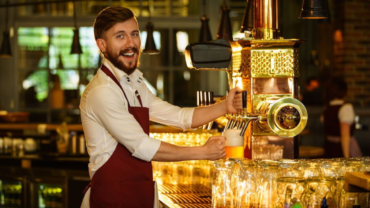
Tag: bartender

  • 🍸 Professional Bartending Services for Any Event in California: Elevate Your Next Celebration

    🍸 Professional Bartending Services for Any Event in California: Elevate Your Next Celebration

    Planning an event in Southern California? Whether you’re organizing a luxury wedding, corporate mixer, birthday bash, or backyard celebration, there’s one ingredient that can instantly elevate the experience: professional bartending services California.

    At [Your Company Name], we provide white-glove mobile bartending for events of all sizes — delivering memorable cocktails, flawless presentation, and peace of mind.

    Why Choose a Professional Bartender?

    Hiring a professional bartender goes far beyond just serving drinks. Here’s what sets our service apart:

    ✅ Seamless Guest Experience

    We handle everything — from curating your drink menu and supplying premium ingredients to designing a stylish mobile bar setup. Your guests are treated to expertly crafted cocktails and efficient, friendly service.

    ✅ Customized Drink Menus

    Every event is unique. That’s why we work with you to create a signature cocktail menu that reflects your theme, taste, and vibe. From craft margaritas to smoky old-fashioneds — we make your drinks unforgettable.

    ✅ Fully Licensed & Insured

    We operate with all the necessary permits, licenses, and insurance in California. That means you can enjoy your event worry-free, knowing you’re working with a professional team that takes responsibility seriously.

    ✅ Bar Setup, Staffing & Cleanup Included

    Our mobile bartending packages include everything from glassware and mixers to professional staffing and cleanup. You don’t have to lift a finger — just show up and enjoy.


    Types of Events We Serve Across Southern California

    • 🍾 Weddings
    • 🏢 Corporate Events
    • 🎉 Birthday Parties
    • 🏡 Private Gatherings
    • 🥂 Engagements & Anniversaries
    • 🌮 Brunches, BBQs, & More

    From Malibu beach parties to elegant Los Angeles rooftop receptions, our bartending team brings the same level of polish and precision to every event.

  • Overcoming Initial Challenges in the Bartending Space

    Overcoming Initial Challenges in the Bartending Space

    Entering the bartending industry can be an exciting venture filled with opportunities to showcase creativity, engage with diverse crowds, and become part of memorable celebrations. However, like any new business endeavor, it comes with its own set of challenges. Reflecting on our journey at Classic Mobile Bartenders, several key obstacles stand out that we faced and ultimately overcame to establish ourselves as a premier bartending service provider.

    1. Establishing a Unique Identity

    One of the first hurdles we encountered was carving out a unique identity in a saturated market. With numerous bartending services available, standing out required a clear and compelling brand proposition. We focused on offering more than just standard bartending services; we introduced specialized services such as exotic cocktails, cocktail masterclasses, and themed bartending for events like stag and hen’s nights. This diversification allowed us to appeal to a broader audience and create a distinctive brand.

    2. Building a Loyal Customer Base

    Building a loyal customer base from scratch is a challenge for any new business. Initially, gaining the trust and recognition of clients took considerable effort. We prioritized exceptional customer service, consistently delivering high-quality, personalized experiences at every event. Leveraging word-of-mouth marketing and encouraging satisfied clients to leave reviews and testimonials helped us build credibility and attract new customers.

    3. Managing Operational Logistics

    The logistics of mobile bartending posed a significant challenge. Ensuring timely delivery of bar equipment, managing inventory, and maintaining the quality of perishable ingredients required meticulous planning and coordination. We invested in reliable transportation, streamlined our inventory management processes, and developed a robust system for tracking and replenishing supplies. This operational efficiency allowed us to meet our clients’ needs seamlessly.

    4. Navigating Regulatory Requirements

    The bartending industry is subject to various regulatory requirements, including licensing, permits, and adherence to health and safety standards. Navigating these regulations was initially daunting. We took the time to thoroughly understand the legal landscape, ensuring all our operations complied with local laws. Building strong relationships with regulatory bodies and staying updated on any changes in legislation became a priority, helping us avoid potential legal issues and operate smoothly.

    5. Recruiting and Training Skilled Staff

    Finding and retaining skilled bartenders who share our vision and commitment to excellence was another challenge. We implemented a rigorous recruitment process, seeking individuals with not only technical skills but also a passion for customer service. Comprehensive training programs were developed to ensure our bartenders were well-versed in our service standards, cocktail recipes, and safety protocols. Investing in our team’s growth and fostering a positive work environment has been crucial in maintaining a high-quality service.

    6. Adapting to Market Trends

    The bartending industry is dynamic, with trends and customer preferences constantly evolving. Staying ahead of these trends required continuous learning and innovation. We made it a point to attend industry conferences, participate in workshops, and engage with other professionals to stay updated on the latest trends in mixology, event planning, and customer service. This proactive approach enabled us to adapt quickly and offer fresh, exciting experiences to our clients.

    7. Marketing and Brand Awareness

    Effectively marketing our services and building brand awareness was a challenge, especially in the early stages. We explored various marketing channels, including social media, local advertising, and partnerships with event planners and venues. Creating engaging content, showcasing our events, and highlighting client testimonials helped us build a strong online presence. Over time, our consistent and targeted marketing efforts paid off, increasing our visibility and attracting a steady stream of clients.

    Conclusion

    Entering the bartending space presented numerous challenges, from establishing a unique identity to managing logistics and navigating regulatory requirements. Through dedication, strategic planning, and a commitment to excellence, we overcame these obstacles and built Classic Mobile Bartenders into a trusted and sought-after service provider. Our journey underscores the importance of resilience, continuous learning, and a customer-centric approach in achieving success in the competitive bartending industry.


  • Mastering the Business of Bars: Inventory, Costing, and Menu Design

    Mastering the Business of Bars: Inventory, Costing, and Menu Design

    Running a successful bar involves more than just mixing great drinks and creating a welcoming atmosphere. To achieve sustained profitability and customer satisfaction, bar owners and managers must master the business side of operations, including inventory management, costing, and menu design. At Classic Mobile Bartenders, we understand the importance of these elements and strive to excel in each area. Here’s a comprehensive guide to help you navigate the complexities of bar management.

    Inventory Management

    Efficient inventory management is crucial for minimizing waste, optimizing stock levels, and ensuring that you always have the necessary ingredients to meet customer demands.

    Key Practices:

    1. Regular Inventory Audits: Conduct regular inventory checks to monitor stock levels and identify discrepancies. Weekly audits are recommended for most bars.
    2. Categorize Inventory: Divide inventory into categories (e.g., spirits, mixers, garnishes) for easier tracking and analysis.
    3. First-In, First-Out (FIFO): Implement the FIFO method to ensure older stock is used before newer stock, reducing waste and spoilage.
    4. Par Levels: Establish par levels for each item to determine the minimum amount that should be on hand. This helps prevent overstocking and understocking.
    5. Inventory Software: Utilize inventory management software to automate tracking, generate reports, and streamline the ordering process.

    Example Inventory Sheet:

    ItemCurrent StockPar LevelReorder Amount
    Vodka10 bottles155
    Tonic Water20 cases255
    Lime Juice5 bottles105
    Maraschino Cherries3 jars52

    Costing

    Accurate costing is essential for setting profitable prices and maintaining financial health. This involves calculating the cost of each drink and ensuring it aligns with your pricing strategy.

    Steps to Effective Costing:

    1. Calculate Cost per Drink: Determine the cost of each ingredient in a drink and sum them up to find the total cost.
    2. Consider Overhead: Factor in additional costs such as labor, rent, utilities, and supplies.
    3. Set Pricing Strategy: Decide on a pricing strategy that balances competitiveness with profitability. Common approaches include cost-plus pricing and value-based pricing.
    4. Monitor Pour Costs: Keep an eye on pour costs (the percentage of revenue that goes to cover the cost of ingredients). Aim for a pour cost of 20-25% for optimal profitability.

    Example Costing Calculation:

    • Margarita:
      • 2 oz Tequila: $1.50
      • 1 oz Lime Juice: $0.30
      • 1 oz Triple Sec: $0.50
      • Total Ingredient Cost: $2.30
      • Suggested Price: $10 (yielding a 23% pour cost)

    Menu Design

    A well-designed menu not only enhances the customer experience but also drives sales and maximizes profits. Effective menu design involves thoughtful organization, appealing descriptions, and strategic placement.

    Tips for Designing an Effective Menu:

    1. Highlight Signature Drinks: Feature your best and most profitable cocktails prominently to attract attention.
    2. Use Descriptive Language: Create enticing descriptions that highlight the unique aspects of each drink.
    3. Organize by Category: Group drinks into logical categories (e.g., classics, signature cocktails, seasonal specials) for easy navigation.
    4. Balance Complexity: Offer a mix of simple and complex drinks to cater to different preferences and operational efficiencies.
    5. Incorporate Visuals: Use high-quality images and appealing fonts to make the menu visually attractive.

    Example Menu Layout:

    Classics:

    • Old Fashioned: Bourbon, sugar, Angostura bitters, orange twist.
    • Martini: Gin or vodka, dry vermouth, lemon twist or olive.

    Signature Cocktails:

    • Bacon-Washed Old Fashioned: Bacon-washed bourbon, sugar, Angostura bitters, orange twist. $12
    • Lavender Gin Sour: Lavender-infused gin, lemon juice, honey syrup, lavender sprig. $11

    Seasonal Specials:

    • Summer Breeze: Rum, coconut water, pineapple juice, mint. $10
    • Winter Warmer: Spiced rum, apple cider, cinnamon, star anise. $11

    Conclusion

    Mastering inventory management, costing, and menu design is essential for running a successful bar. Efficient inventory practices reduce waste and ensure you have the necessary supplies. Accurate costing helps set profitable prices, and a well-designed menu enhances the customer experience and boosts sales. By focusing on these key areas, you can optimize your bar operations and create a thriving business that delights customers and maximizes profitability. Whether you’re managing a bustling bar or providing mobile bartending services, these strategies will help you achieve your goals and stand out in the competitive world of bartending.

Call Now